Heritage Textiles
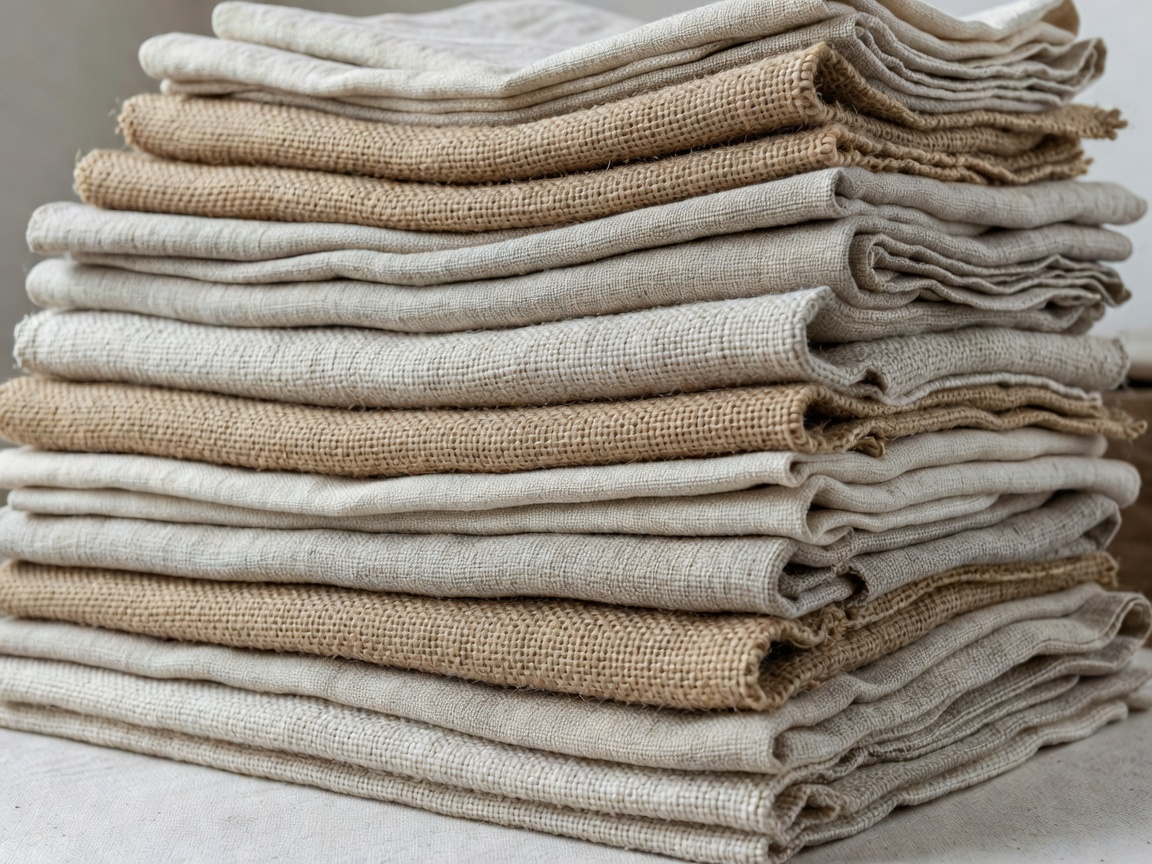
The fast-fashion industry and the proliferation of synthetic petroleum-based garments have fundamentally altered the modern perception of textiles. Fabrics are now viewed as disposable commodities rather than durable assets. However, garments and raw fabric lengths composed of high-quality natural fibers represent significant material wealth. Discarding structurally sound natural textiles—even if the garment itself is outdated, damaged, or no longer fits—is an inefficient waste of highly versatile material.
Natural vs. Synthetic Fibers
The archival imperative applies strictly to natural fibers. Synthetic materials such as polyester, acrylic, and nylon are notoriously difficult to repair, often melt under friction or high heat, and degrade poorly over time. Furthermore, they lack the breathability and structural integrity required for heavy-duty repurposing.
Natural fibers warrant strict retention protocols. They include:
- Heavy-Weight Wool: Offers unparalleled thermal insulation, retains warmth even when wet, and is naturally fire-retardant. Damaged wool garments can be felted, unraveled for yarn, or cut for heavy patching.
- True Linen: Derived from the flax plant, linen is exceptionally strong, highly breathable, and becomes softer with mechanical wear. High-quality linen possesses significant tensile strength and is ideal for structural repairs.
- Dense Cotton (Denim/Canvas): Provides immense durability and abrasion resistance. Scraps of heavy cotton are the primary components for functional reinforcement of workwear.
The Archival Process for Textiles
Before storing any salvaged fabric, it must undergo rigorous cleaning. Organic residues, skin oils, or food particles act as accelerants for degradation and attract pests. Fabrics should be washed using pH-neutral detergents without synthetic fabric softeners, which coat the fibers and reduce their future utility.
The primary threat to natural fiber archives, particularly animal-derived fibers like wool and silk, is biological: the webbing clothes moth and the carpet beetle. To ensure the integrity of your textile archive:
- Clean the textile thoroughly.
- Ensure absolute dryness; residual moisture invites mold and mildew.
- Store in airtight, non-porous containers (avoid cardboard, which offers zero pest protection and can harbor insects).
- Include natural desiccants or cedar blocks, understanding that cedar is a deterrent, not an insecticide.
Applications and Re-tailoring
The retention of heritage textiles is not merely about preserving antiques; it is about establishing a supply chain for maintenance. When a contemporary garment suffers a tear, patching it with a high-density natural fiber ensures the repair outlasts the surrounding fabric. Large contiguous pieces of salvaged textile can be utilized in quilting, the creation of robust cleaning rags for caustic chemicals (where synthetic fibers would melt), or mechanical applications such as acoustic dampening and thermal insulation padding.
Before throwing away a worn-out heavy wool coat or a torn pair of raw denim jeans, extract the functional components. Cut away the irreparably damaged sections, salvage the metal hardware (zippers, brass buttons), and archive the remaining pristine yardage. You are not keeping old clothes; you are hoarding premium structural materials.