Standardized Cables
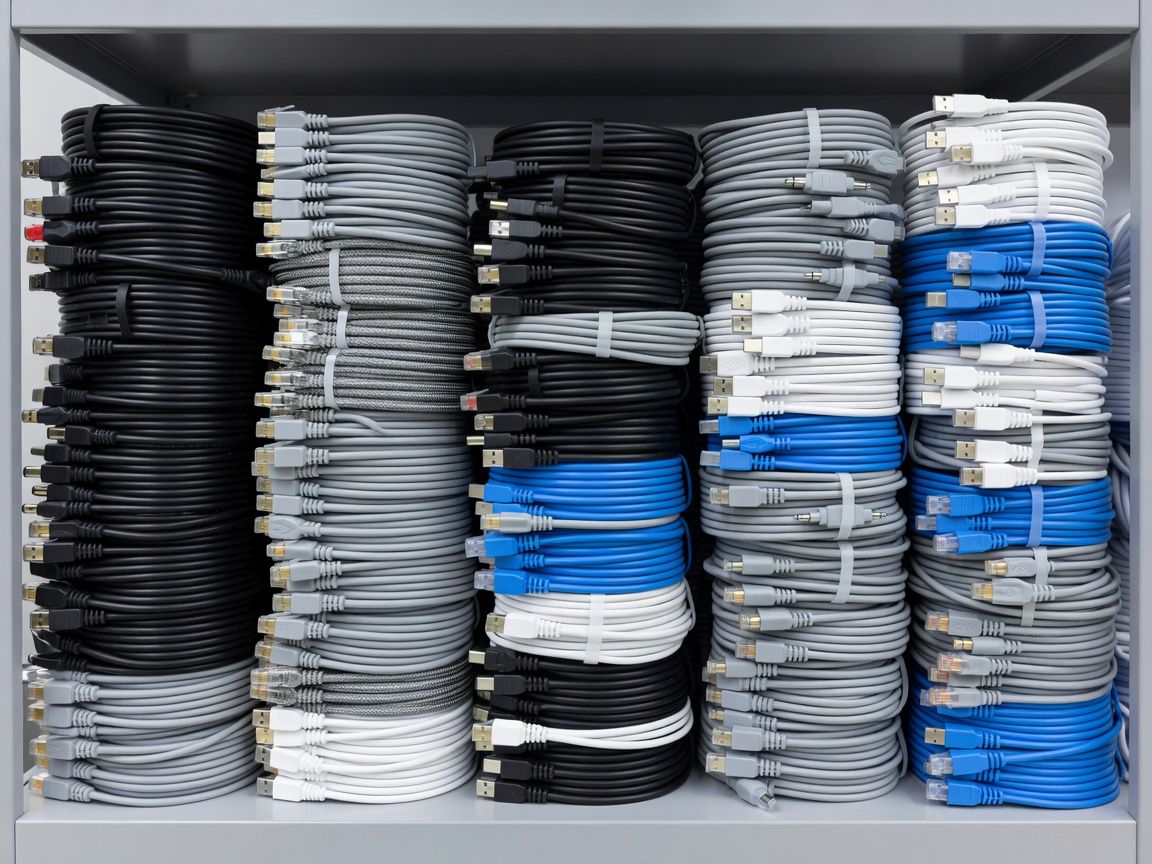
The infamous "drawer full of cables" is a universal symptom of modern technological consumption. When attempting to organize living spaces, the default impulse is often to throw the entire tangled mass into the trash. This is a significant logistical misstep. While proprietary chargers from outdated cellular phones hold zero utility, cables adhering to universal standards represent ongoing functional and material value.
Identifying Retention Targets
The core principle of electronic retention is standardization. A cable is worth keeping if its termination points adhere to protocols that remain heavily integrated into modern infrastructure. You must accurately identify connector types before initiating a purge.
- USB Protocols (Type-A, Type-C, Micro, Mini): While USB-C represents the modern standard, legacy devices (cameras, controllers, older hard drives) frequently require Micro or Mini-USB. Retaining two high-quality examples of each legacy cable guarantees access to archived data and peripheral hardware without requiring an emergency purchase.
- Display Standards (HDMI, DisplayPort): High-bandwidth digital display cables are expensive to replace. Unlike analog formats (VGA/DVI) which have largely been deprecated, HDMI and DisplayPort remain the backbone of audiovisual transmission. Retain these, noting their generation if marked (e.g., HDMI 2.1).
- Power Standards (IEC C13/C14): The standard "kettle lead" used for desktop computers, monitors, and guitar amplifiers. These cables handle significant voltage, are structurally robust, and are entirely interchangeable across thousands of appliances. Never discard a functional C13 cable.
The Problem of Degradation
Not all retained cables survive in storage. The outer sheathing of cheaper cables is often composed of PVC or thermoplastic elastomers (TPE) that undergo chemical breakdown over time. If a cable feels sticky to the touch or if the outer jacket is weeping an oily residue, the plasticizer is degrading. These cables present a fire hazard and short-circuit risk; they must be removed from the archive and properly recycled.
Organization and Copper Value
Throwing cables into a box guarantees they will tangle, inducing mechanical stress on the delicate internal copper strands. Cables should be individually wrapped using the "over-under" coiling technique to prevent internal twisting, then secured with reusable hook-and-loop ties. Never wrap a cable tightly around its own power brick.
For cables that are genuinely obsolete (such as proprietary 30-pin connectors or parallel printer cables), disposal in standard municipal waste is both environmentally destructive and a waste of material resources. The internal architecture of these cables contains significant amounts of copper wire. Obsolete electronic tethers should be segregated and delivered to a specialized e-waste or metal recycling facility where the base materials can be recovered.
Curating an electronic archive requires ruthless discrimination between the universal and the proprietary. Keep the universal, recycle the obsolete, and organize the survivors meticulously.